
商品の情報、ストアのお知らせをお伝えしていきます。
日報
7.30 Wed. | Fireworks Display

7.30 Wed. | Fireworks Display
What is it about fireworks that makes them so wonderful?
It's a struggle just to see fireworks.
You have to prepare thoroughly beforehand,
the venue is packed,
so you have to go early because it's so crowded,
you sweat profusely because of the heat,
and getting to the restroom, food, or a place to sit
is all incredibly difficult,
leaving a strong impression of hardship.
But once the fireworks go up,
you're moved by how much bigger and more beautiful they are than you imagined,
and by the sensation of the difference between the light and sound in your body.
After the show, you forget all the hardship,
and you find yourself wanting to see them again next year. That feeling.
In the intense heat of summer,
there's a unique melancholic feeling at dusk.
From that, the large fireworks launched into the night sky
are glamorous, magnificent, and continuously moving,
but it's strange that there's always a slight sadness.
Is it because the beginning already contains a little bit of the end
that we feel a bit of sadness from the moment they start?
Even that feeling of sadness feels good to me,
which is why I really love fireworks.
This was just me talking about something I like,
completely unrelated to cooking.
What is it about fireworks that makes them so wonderful?
It's a struggle just to see fireworks.
You have to prepare thoroughly beforehand,
the venue is packed,
so you have to go early because it's so crowded,
you sweat profusely because of the heat,
and getting to the restroom, food, or a place to sit
is all incredibly difficult,
leaving a strong impression of hardship.
But once the fireworks go up,
you're moved by how much bigger and more beautiful they are than you imagined,
and by the sensation of the difference between the light and sound in your body.
After the show, you forget all the hardship,
and you find yourself wanting to see them again next year. That feeling.
In the intense heat of summer,
there's a unique melancholic feeling at dusk.
From that, the large fireworks launched into the night sky
are glamorous, magnificent, and continuously moving,
but it's strange that there's always a slight sadness.
Is it because the beginning already contains a little bit of the end
that we feel a bit of sadness from the moment they start?
Even that feeling of sadness feels good to me,
which is why I really love fireworks.
This was just me talking about something I like,
completely unrelated to cooking.
7.29 Tue. | Learning about plating
7.29 Tue. | Learning about plating
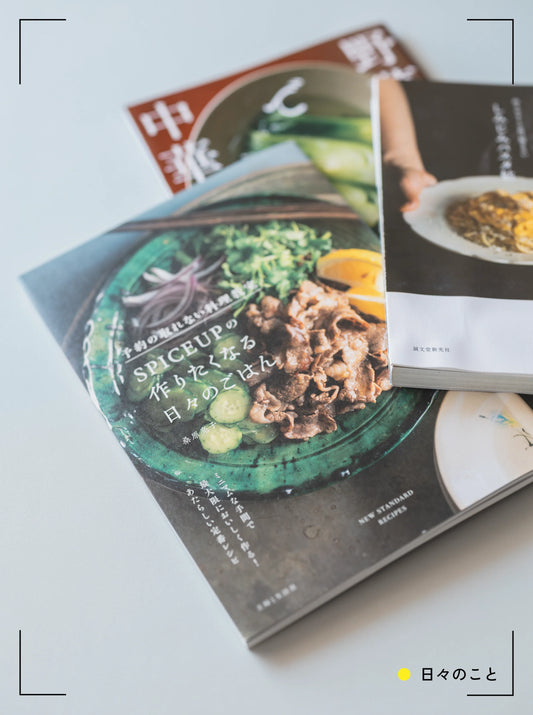
What I'm finding difficult in cooking right now is plating.
Since I'm showing my cooking more often on kikkake, I want to plate it more deliciously and beautifully than ever before, but it's really hard.
I knew it, but appearance is very important, and just beautiful plating makes food look delicious and makes the meal even more enjoyable.
When I was young, I used to think that as long as the taste was good, the appearance didn't matter much.
But as I got older, I gradually came to realize that deliciousness is just one part of enjoyment, and cooking is just one part of a meal. Who you eat with, what you eat, how you eat, where you eat - all of these elements determine the value of eating.
Of course, the taste has to be good, but I also want to use nice dishes and cutlery, and then there's the plating, but plating is just too difficult!
If plating sense were for sale, I would really want to buy it, but it doesn't seem to be sold anywhere, so I'm trying to learn my own plating methods by looking at beautiful food photos that I admire, which is the obvious way. I'm still in the process of working hard to achieve something beautiful. I think it's gotten a lot better than a few years ago.
What I'm finding difficult in cooking right now is plating.
Since I'm showing my cooking more often on kikkake, I want to plate it more deliciously and beautifully than ever before, but it's really hard.
I knew it, but appearance is very important, and just beautiful plating makes food look delicious and makes the meal even more enjoyable.
When I was young, I used to think that as long as the taste was good, the appearance didn't matter much.
But as I got older, I gradually came to realize that deliciousness is just one part of enjoyment, and cooking is just one part of a meal. Who you eat with, what you eat, how you eat, where you eat - all of these elements determine the value of eating.
Of course, the taste has to be good, but I also want to use nice dishes and cutlery, and then there's the plating, but plating is just too difficult!
If plating sense were for sale, I would really want to buy it, but it doesn't seem to be sold anywhere, so I'm trying to learn my own plating methods by looking at beautiful food photos that I admire, which is the obvious way. I'm still in the process of working hard to achieve something beautiful. I think it's gotten a lot better than a few years ago.
7.28 Mon. | Osameru
7.28 Mon. | Osameru
As you cook more, at some point you suddenly become able to get the flavor right.
I heard that a long time ago and wondered if it was true, but recently I've noticed that I've been able to get the flavor right.
Even when I cook something casually with only the ingredients I have in the fridge, sometimes I don't even decide what cuisine it will be until I start stir-frying, but the result is that I think I've become able to make reasonably delicious food. Probably.
In the past, I sometimes burned pots even when I was carefully cooking just one dish, but now I don't burn pots even when cooking multiple dishes simultaneously, and I've become able to get the flavor right without even measuring seasonings.
As I was writing this and thinking about it, I realized that my past failures have served me well. If I do this much, it will burn. When I tasted it while it was hot, it was too salty. I must have learned from countless failures and unconsciously avoided them while cooking.
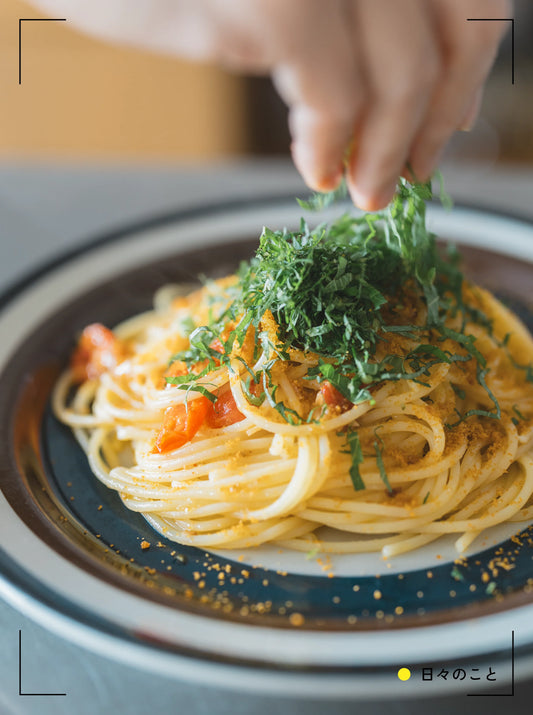
I felt that it's important to try various things in order to make mistakes, so I'm going to try a lot of new things! Today, I'm making fresh pasta from semolina flour for the first time.
As you cook more, at some point you suddenly become able to get the flavor right.
I heard that a long time ago and wondered if it was true, but recently I've noticed that I've been able to get the flavor right.
Even when I cook something casually with only the ingredients I have in the fridge, sometimes I don't even decide what cuisine it will be until I start stir-frying, but the result is that I think I've become able to make reasonably delicious food. Probably.
In the past, I sometimes burned pots even when I was carefully cooking just one dish, but now I don't burn pots even when cooking multiple dishes simultaneously, and I've become able to get the flavor right without even measuring seasonings.
As I was writing this and thinking about it, I realized that my past failures have served me well. If I do this much, it will burn. When I tasted it while it was hot, it was too salty. I must have learned from countless failures and unconsciously avoided them while cooking.
I felt that it's important to try various things in order to make mistakes, so I'm going to try a lot of new things! Today, I'm making fresh pasta from semolina flour for the first time.
Friday, July 25 | New YouTube project
Friday, July 25 | New YouTube project
We've released a new video series on YouTube: "20-Minute Evening Snacks"!
We've done a lot of different things before, like our "12 Favorite Kitchen Tools" video, a video centered around sparkling wine, and our breakfast series. However, this "20-Minute Evening Snacks" series is quite a challenging endeavor for us. We've created these videos imagining dishes you'd make when you come home from work, feeling tired but wanting to eat something – preferably something you like and can whip up quickly.
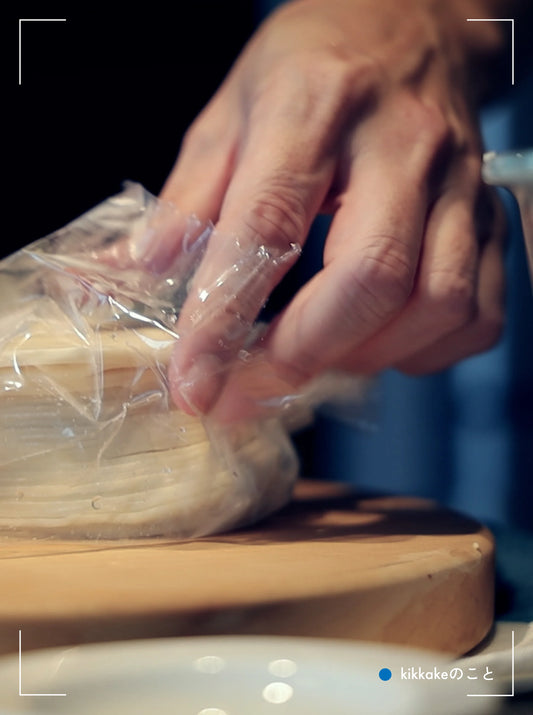
There's one more thing. Up until now, all our camera shots were fixed on a tripod, but we've included some handheld footage this time. We now have shots that were impossible before with a fixed camera, like close-ups of me and more dynamic angles, making the videos feel more live than usual.
We aimed to capture the short magic hour around sunset, shooting in one take, so I hope you'll enjoy the live-like feel and the relaxed way I'm enjoying cooking.
If you have any thoughts after watching the new series, or requests for videos you'd like to see, please share them in the YouTube comments or through the web store's inquiry form. We'll be reading both, so your feedback would be greatly appreciated. Thank you!
We've released a new video series on YouTube: "20-Minute Evening Snacks"!
We've done a lot of different things before, like our "12 Favorite Kitchen Tools" video, a video centered around sparkling wine, and our breakfast series. However, this "20-Minute Evening Snacks" series is quite a challenging endeavor for us. We've created these videos imagining dishes you'd make when you come home from work, feeling tired but wanting to eat something – preferably something you like and can whip up quickly.
There's one more thing. Up until now, all our camera shots were fixed on a tripod, but we've included some handheld footage this time. We now have shots that were impossible before with a fixed camera, like close-ups of me and more dynamic angles, making the videos feel more live than usual.
We aimed to capture the short magic hour around sunset, shooting in one take, so I hope you'll enjoy the live-like feel and the relaxed way I'm enjoying cooking.
If you have any thoughts after watching the new series, or requests for videos you'd like to see, please share them in the YouTube comments or through the web store's inquiry form. We'll be reading both, so your feedback would be greatly appreciated. Thank you!
Thursday, July 24 | turk
Thursday, July 24 | turk
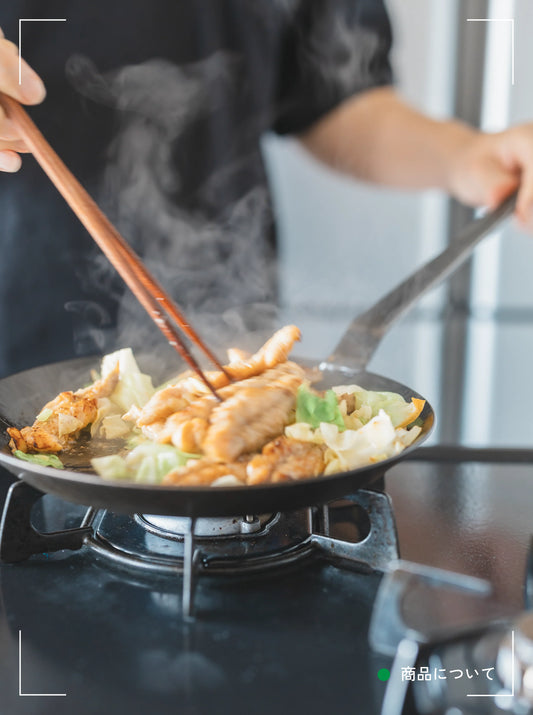
turk's iron frying pans are incredibly cool.
Their rugged appearance is amazing.
And that's what makes them so cool.
How cool, you ask?
Imagine a classic, beloved animated film where there's a cool, strong, yet very kind motherly character.
If that mother's husband suddenly started a fight with some thugs, causing a huge commotion that involved the whole town,
I think that mother would definitely emerge from the kitchen with this frying pan in hand.
That's how cool it is.
And turk's iron frying pans transfer heat gently.
At first glance, you might imagine iron frying pans burn ingredients,
but in reality, that's not the case at all.
Meat cooks up crispy on the outside and fluffy on the inside,
and vegetables can be stir-fried to a crisp texture.
How gentle, you ask?
As gentle as that motherly character from the classic animated film, who cares for an orphaned boy working at her husband's workplace as if he were her own son.
Finally, turk's frying pans are incredibly heavy.
If you imagine a regular frying pan you normally use and then pick up a turk frying pan,
you'll probably be surprised by how heavy it is.
You definitely can't flip the pan during cooking.
But once you get used to it, that substantial weight actually becomes a good thing,
and you start to feel that the heat transfer to the ingredients comes from the pan's weight and thickness.
How heavy, you ask?
So heavy that you'd think it's more like an iron griddle than a frying pan!
I won't use a famous animated film as an example here.
The cool appearance, weight, and wonderful performance as a cooking utensil of turk's products are
often only truly appreciated once you use them,
and are difficult to put into words, but
they are highly recommended cooking utensils.
kikkake will also be selling them soon.
How about one iron frying pan at a time?
turk's iron frying pans are incredibly cool.
Their rugged appearance is amazing.
And that's what makes them so cool.
How cool, you ask?
Imagine a classic, beloved animated film where there's a cool, strong, yet very kind motherly character.
If that mother's husband suddenly started a fight with some thugs, causing a huge commotion that involved the whole town,
I think that mother would definitely emerge from the kitchen with this frying pan in hand.
That's how cool it is.
And turk's iron frying pans transfer heat gently.
At first glance, you might imagine iron frying pans burn ingredients,
but in reality, that's not the case at all.
Meat cooks up crispy on the outside and fluffy on the inside,
and vegetables can be stir-fried to a crisp texture.
How gentle, you ask?
As gentle as that motherly character from the classic animated film, who cares for an orphaned boy working at her husband's workplace as if he were her own son.
Finally, turk's frying pans are incredibly heavy.
If you imagine a regular frying pan you normally use and then pick up a turk frying pan,
you'll probably be surprised by how heavy it is.
You definitely can't flip the pan during cooking.
But once you get used to it, that substantial weight actually becomes a good thing,
and you start to feel that the heat transfer to the ingredients comes from the pan's weight and thickness.
How heavy, you ask?
So heavy that you'd think it's more like an iron griddle than a frying pan!
I won't use a famous animated film as an example here.
The cool appearance, weight, and wonderful performance as a cooking utensil of turk's products are
often only truly appreciated once you use them,
and are difficult to put into words, but
they are highly recommended cooking utensils.
kikkake will also be selling them soon.
How about one iron frying pan at a time?
Wednesday, July 23 | Bell peppers
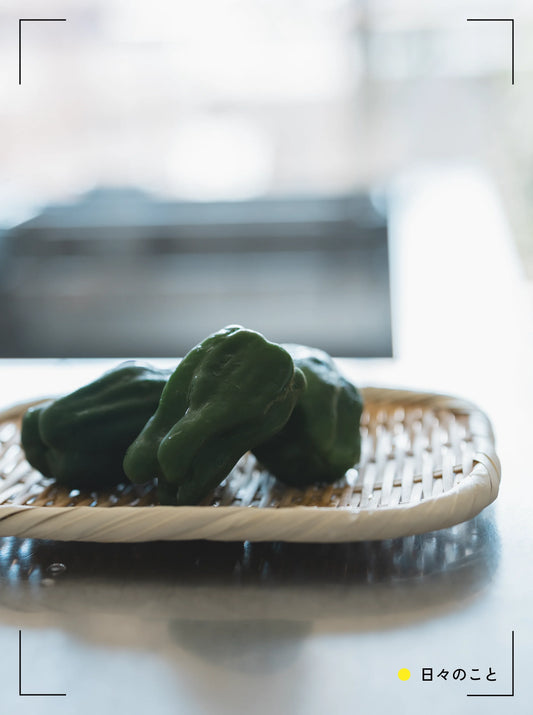
Wednesday, July 23 | Bell peppers
It just occurred to me recently, but were bell peppers always this delicious? In the past, they were the quintessential bitter vegetable, reigning as the #1 most disliked vegetable by children. But lately, bell peppers seem to have lost some of their bitterness.
Of course, it's partly because I've gotten older and can tolerate bitterness better. But even so, I still don't like bitter foods.
Sometimes when I eat bell peppers raw, I find them a bit bitter. But stir-fried bell peppers have almost no bitterness, and I often find myself thinking they're delicious, even a little sweet.
This is just my own speculation, but I imagine that bell pepper producers, after years of hard work, have managed to cultivate bell peppers that are easier to eat, and I silently respect them for that.
Come to think of it, in the past, there were apples, pears, and peaches that were so hard and not sweet when you bit into them, making a crunching sound, and not particularly delicious. But these days, no matter which ones you buy, they're sweet and everything is delicious. Thank you, all you producers.
That said, bitter melon is still way too bitter! For a moment, I thought, "I wish someone would grow bitter melon that isn't bitter," but bitter melon that isn't bitter wouldn't be bitter melon, so it's probably fine as it is.
Will there ever come a day when I genuinely find bitter melon delicious?
It just occurred to me recently, but were bell peppers always this delicious? In the past, they were the quintessential bitter vegetable, reigning as the #1 most disliked vegetable by children. But lately, bell peppers seem to have lost some of their bitterness.
Of course, it's partly because I've gotten older and can tolerate bitterness better. But even so, I still don't like bitter foods.
Sometimes when I eat bell peppers raw, I find them a bit bitter. But stir-fried bell peppers have almost no bitterness, and I often find myself thinking they're delicious, even a little sweet.
This is just my own speculation, but I imagine that bell pepper producers, after years of hard work, have managed to cultivate bell peppers that are easier to eat, and I silently respect them for that.
Come to think of it, in the past, there were apples, pears, and peaches that were so hard and not sweet when you bit into them, making a crunching sound, and not particularly delicious. But these days, no matter which ones you buy, they're sweet and everything is delicious. Thank you, all you producers.
That said, bitter melon is still way too bitter! For a moment, I thought, "I wish someone would grow bitter melon that isn't bitter," but bitter melon that isn't bitter wouldn't be bitter melon, so it's probably fine as it is.
Will there ever come a day when I genuinely find bitter melon delicious?